Thursday, May 22, 2014

Warming Up

Hello everyone! I'm back again with another Jtrain Fitness blog post! This week I decided to talk about the concept of warming up before workouts. So let's go!

Let me first say that I'm probably not the guy you want to get your information from on this topic. From day one of my bodybuilding career I have ALWAYS dived right into every single one of my workouts head first, cold, and with the most weight I could do. In other words, I don't warm up...ever...at all. I take advantage of being at the peak of my glycogen, ATP, and therefore strength and energy, and do the most compound exercises with the most weight I can do first. I shock my body by going full throttle into my workouts and get that blood pumping fast.

Countless people have warmed me against this, but it's just something that's worked for me. Perhaps it works for me because, while I go straight into my most intense sets, I still make sure to keep in mind the correct form and listen to my body along the way.

 
Source: Thinkstock

I do however warm up one part of my body, and that's my knee on leg days. I've always had a kind of tendonitis in one of my knees, and if that part of my body is not thoroughly warmed up there will be too much pain for me to effectively lift. Therefore, I have to make sure I get the proper amount of blood pumping to my knee to get it ready to lift. If you experience this kind of phenomenon on a particular part of your body, consider warming up with VERY low weight for a very HIGH amount of reps until blood is stimulated to flow into that part of your body.

While I don't really warm up, I do find merit in doing so, and think that it can be very beneficial and even necessary to many people when they workout. Gradually introducing your body to different levels of intensity throughout a particular exercise is a good way to safely prime your body and allow it time to get ready for the next level of intensity on the next set of a given exercise. As I stated above, warming up also allows proper blood flow to be circulated to various parts of your body that can serve as a kind of "liquid cushion" that allows your body to swell to the point that it supports movements in weightlifting exercises (anecdotal claim). This is an important concept for preventing injury and getting the most out of your workouts.

So how can one warmup for a particular workout? Well, it obviously depends on the kind of workouts you're performing and the fitness goals / fitness focus you are aiming for. If you're bodybuilding and lifting weight, I'd recommend using a weight that is light but not non-existent. A weight that you can lift easily but still feel a good amount of resistance to do 15-25 repetitions with. Each of these repetitions should be full and controlled repetitions performed until failure. Aim to feel the blood flowing into your target muscle and making you "full". You could accomplish this over one set, or may need to take multiple sets to warm up with before you feel like your body is adequately primed for full-intensity lifts. If you have tendonitis in a particular joint, do NOT stop warming up until you can lift a given weight with just that particular part of your body (without using the other side) without pain and a full range of motion. I highly recommend not stretching BEFORE a weightlifting workout, as most of my sources  and experiences (both credible and anecdotal) indicate to me that having lax bodily structures is a detriment to carrying and handling the weights and movements during a weightlifting session. I've personally always stretched after a workout.

I'm not a cardio or flexibility expert, but with cardio I would imagine that bringing down the intensity of the cardio exercise you choose (running, swimming, biking, jump-roping, etc) for the first couple of minutes / trials would be of some benefit to get the blood going and wake up your cardiovascular system so that it's ready for the full-on motions of the cardiovascular activity you're performing. In other words, do a light / less intense version of a cardiovascular exercise before you start fully getting into it with full intensity.
 
This should be a jog when warming up. Source: Thinkstock

With stretching and flexibility exercises (like in yoga), I would imagine that gradually performing the stretch, going only slightly further on each stretch would be beneficial and decrease the possibility of getting injured by trying to go too far too soon without working out the tendons and various other pertinent parts of your body before hand. Work out the parts of your body relevant to flexibility as if it were dough, stretching only a little further each time until properly primed for full-on stretches.

All warmups should feel like watered-down versions of the movement you are ABOUT to do. They are kind of like "trial runs" of an exercise before they actually count. The focus shouldn't be on making any kind of gains but rather priming your body for particular movements / fitness objectives.

So keep that all in mind! Warm up if you feel you need to to prevent injury and / or optimize your workouts!

-Jtrain

------------------------------------------------------------------------------------------------------------------------------------------*Have a question about natural bodybuilding / fitness / nutrition / stress? Need some advice? Email me at jtrainfitness@gmail.com and I will answer it on this blog! Be sure to enter your email to receive alerts for when the next blog post has come out, and be sure to tell your friends about this blog! Follow me on twitter @jtrainfitness and tell your friends to do the same!*
------------------------------------------------------------------------------------------------------------------------------------------

Thursday, May 8, 2014

Video Blog: Leg Training Tips!

Hey guys! Sorry for not posting last week. I decided to take a week off. But I'm back and ready to continue my current pattern of posting video blogs for you! I'm going to try and make a video for each muscle group, and this week I'll be focusing on legs! A link to the video is provided below:


CLICK HERE FOR THE VIDEO


Legs. There are two kinds of people in this world: the people who say they hate doing legs, and the people who lie when they say they like doing legs. Our legs are so valuable for so many reasons, but working them out is one of the biggest chores in the world.


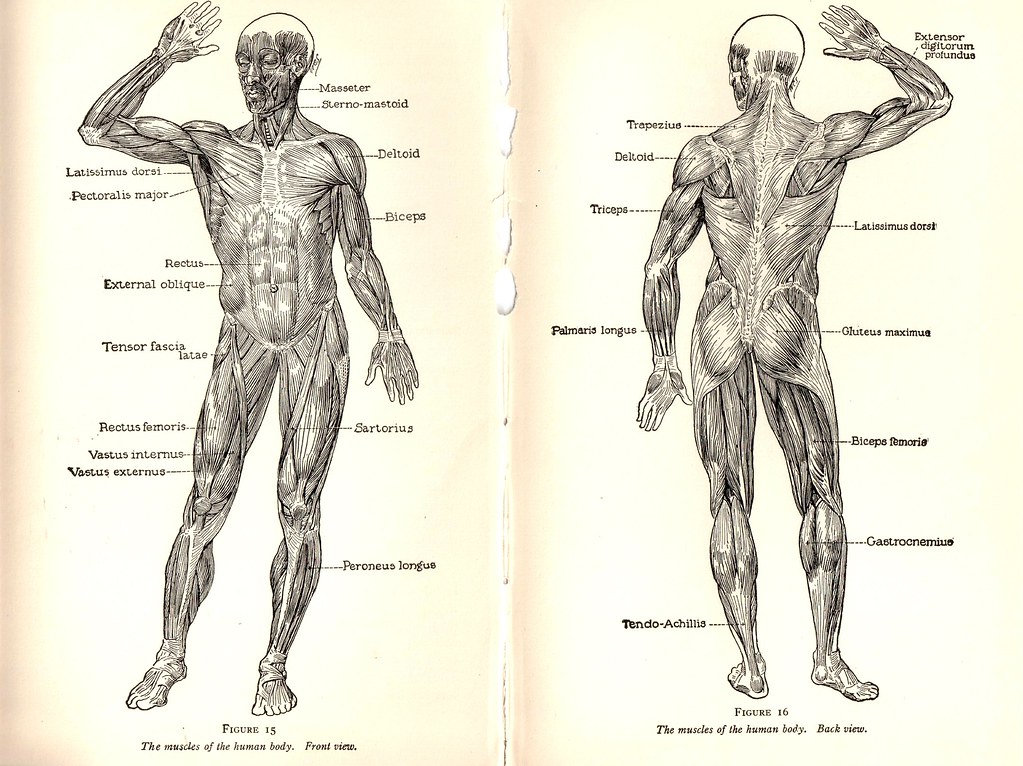
The legs comprise some of the largest muscles in your body, and when working them out you want to focus on working out the quads, the hamstrings, and the calves. Since they are so big, they also use up a lot of energy, and thus when working them out heavily it's easy to lose your breath and feel your energy getting sapped very quickly.

It's this aspect of legs, coupled with the fact that most people aren't going to heavily invest or place high importance on the look of someone's leg aesthetic that add to overwhelming grinding sensation that is felt throughout your leg workouts.

But you need to workout legs. Legs not only complete your aesthetic by preventing you from looking overwhelmingly top heavy, but also, being such a huge muscle group, they stimulate the release of hormones beneficial to bodybuilding throughout your body in large amounts when they are stressed and /or need repair (that's completely anecdotal and may not necessarily be totally true). Furthermore, strong legs can help prevent injury in that area of your body.

I like to make my leg days efficient. I DO NOT SQUAT. Sorry if that upsets you hardcore squat-for-days gym bros. I just don't like any exercise where I need to worry about the form so much more than the actual lift, or doing exercises where one tiny mistake or misstep in form can severely injure you and keep you out of the gym for an eternity. You can hit just as many muscle groups with the same level of stress and intensity over multiple machines as you can with squatting. I do find merit in the squat exercise though, and if that's your thing then by all means keep at it! But make sure you know what you're doing.

My main exercises for leg day include lunges, leg press, leg extensions, hamstring curls, and calf raises. On the quad exercises (lunges, leg press, and leg extensions), I'll start off with one leg on each side and then finish doing the same exercise with two legs. For hamstring curls and calf raises I'll do both legs simultaneously and then drop set....though I've been experimenting with one leg to two leg calf raises.

A lot of people have a hard time growing legs. There are two main reasons I can think of for this. 1) most people hate doing legs and are therefore not consistent with it, and/or 2) they don't put enough stress on the legs. The 2nd point is super important here. Your legs can take a LOT of punishment. A LOT. They are built to withstand a lot of weight and stress constantly. Therefore, you need a lot of weight and stress to get them activated and stimulated to grow / repair them. A lot of people underestimate this weight and are stuck with the same sized legs forever. So go pretty heavy on legs, and get a large amount of repetitions with each set. This has been working for me lately, but of course that's my opinion. You might find that something else works for you.

When doing quad exercises, drive through the heel. Like really drive through the heel. Almost to where you feel that all of your pushing is going through your heel. I've found that this fully pumps, stimulates, and activates the quads. When doing exercises like calf raises, drive through the ball of your foot in the same way. When doing hamstring curls, flex the back of your quads at the end range of motion like you would with bicep curls and let your legs back down slowly. Further stimulation can happen by pointing your foot forward during these exercises to stimulate leg muscles in a compound manner (i.e. turning a hamstring curl and leg extension exercise into a calf exercise as well). On all of these exercises, FULLY flex your target muscle and hold for 1-2 seconds and bring them back down slowly.

To prevent injury, take note on how your knees and legs bend. I've found that where you position your foot, how you twist your shins, and how far out your leg is from the direction the force is being exerted, is important when it comes to stressing the knees. Like shoulders, the knees have a lot of mobility. So they are also very susceptible to injury. one wrong twist of anything below the knees, or leaning your weight the wrong way can stress your knees or, even worse, severely and /or permanently damage structures in your knees. Before you do any exercise involving legs and free-ranging leg movements, take a look and be cognizant of how your knee bends. Many of us have uniquely shaped leg bones and how they flex can be different for everyone. Execute a lift in a way that allows you to get a nice pump and successful repetition, while also taking advantage of how your body naturally moves.

And those are my leg training tips! Let me know if you have any other tips / questions / concerns! I'd love to hear them!

-Jtrain


------------------------------------------------------------------------------------------------------------------------------------------*Have a question about natural bodybuilding / fitness / nutrition / stress? Need some advice? Email me at jtrainfitness@gmail.com and I will answer it on this blog! Be sure to enter your email to receive alerts for when the next blog post has come out, and be sure to tell your friends about this blog! Follow me on twitter @jtrainfitness and tell your friends to do the same!*
------------------------------------------------------------------------------------------------------------------------------------------

Thursday, April 24, 2014

Video Blog: Ab Training Tips!

Hello beautiful readers!

I'm back again with ANOTHER video blog post this week as per the request of a good friend of mine. In this post, I'll talk about some ab training tips. As always, I will also offer a discussion below. Click on the link and / or read the post and tell me what you think!


Click here for the video


Ah yes....abs. Is there any other bodily development we quest after more than a nice six-pack? Turning on the t.v. and / or looking for workouts online for 5 minutes will surely show you the obsession we have with getting a heavily defined core.

And it's kind of funny. The optimal aesthetic for the abs that I feel is widely accepted doesn't necessarily tell you anything about someone's ability outside of the fact that they have low body fat. There's no inherent function to having  a six pack as opposed to someone else who trains their core just as much while carrying more body fat. It doesn't necessarily tell you how intensely someone dedicates themselves to the gym, and is more or less 100% a product of leanness. It's just one of those things that I guess people find aesthetic value in.....without anyone really knowing why.

But I'm here to offer tips on how to work out abs. I opened up with a discussion on six-pack abs because, let's face it, when someone asks about ab workouts, what they're really asking about is how to get six pack abs. And while I'd like to go into yet another epically long discussion on why nutrition is the most important thing in fitness and bodily aesthetic manifestation, my focus here will be on how to properly stimulate the core and get get a good workout (though I will kind of touch on how to build a nice core aesthetic). Keep in mind though.....a six pack is 100% a product of the kitchen.....not the gym.

The mindset one should have while working out their core is the same as any other muscle group in that you want to properly stimulate every muscle in the core, both internally and externally. HOWEVER, the difference is that your aim shouldn't be to overly develop your abs from an aesthetic standpoint...and I can't believe I'm saying that.

This is because overdeveloping the core pushes your stomach outward, spoiling your aesthetic. If you like the look of a muscle belly, or just want a lot of core strength, then by all means train your core to the max with as much weight as you can. But if you're doing this just for looks, consider only semi-stimulating your core and focusing on losing body fat, while also concentrating on mostly body-weight exercises that stimulate that area.

Most ab exercises will utilize a "crunching" motion. You know what this is. But to fully get a lot out of a crunch, it's important to arch the back and stretch the abs on the non-flex end range of motion and COMPLETELY curl every part of your abs inward as you go towards the end flex-range of motion. The end flex range of motion is achieved by bringing your body inward towards the middle of your stomach, and then pushing the top of your body (while still crunched) straight up in the air to get an even greater, fuller crunch. In fact, on all crunch-like exercises it is good to practice pushing the upper part of your body forward or straight up whilst you crunch your core.

Also consider doing exercises that rotate your body like bicycles, windshield wipers, and side crunches. Those are good for stimulating the parts of the core that are on the outside of the abs.

And that's pretty much it! Lift till failure on all of these exercises. You can choose to save a day for abs, or do abs throughout the week.Furthermore, make sure you evenly distribute the crunch so that one side does not get more developed than the other.


-Jtrain

------------------------------------------------------------------------------------------------------------------------------------------*Have a question about natural bodybuilding / fitness / nutrition / stress? Need some advice? Email me at jtrainfitness@gmail.com and I will answer it on this blog! Be sure to enter your email to receive alerts for when the next blog post has come out, and be sure to tell your friends about this blog! Follow me on twitter @jtrainfitness and tell your friends to do the same!*
------------------------------------------------------------------------------------------------------------------------------------------

Thursday, April 17, 2014

Video Blog: Shoulder Training Tips!

Hey guys!

I'm back with another video for this week's blog post! I keep getting some great feedback from these videos, so you might actually see more of them in the near future.

This week I'd like to talk about some shoulder training tips you can use during your next workout. Below is the video, but I'll once again describe a lot of the key points below the video as well.


Shoulders are.....so important. But for whatever reason, a lot of people tend to neglect them. This is a poor choice not only because it doesn't maximize the aesthetic of your upper body, but also because the shoulders have so much mobility and flexibility that they remain especially vulnerable to injury. And injuring an area of your body so crucial in many aspects of mobility that gets activated in almost every upper body exercise you do can severely set you back in your progression towards accomplishing your fitness goals. Just ask anybody who has injured their shoulder how much it hindered their workouts and completely ruined their gains.

So workout your shoulders guys. And work them out FULLY. The front of your deltoid is not the only part of the shoulder that matters. In fact, overdeveloping only one of the three sets of fibers that make up your deltoid (anterior, medial, posterior) can cause it to pull on or what I call "bully" the other deltoids and cause chronic strain and pain that you don't want.

In other words, get a complete shoulder workout. workout the front, middle, and back of your shoulders.

Also, make the line of drive for your shoulder workouts BEHIND your head. Often times people will go straight up without noticing that their elbows or arms are situated in a way that activates just the front of the shoulder and other muscle groups that you may or may not be trying to focus that day. This results in the shoulders not fully being activated. When doing this backwards motion during your lifting motion, aim to also get your shoulder blades to touch.

Be sure to also make sure that you're not moving your body in a way that gets you to "cheat" in your lifting movement. Often times I'll see people move their legs upwards or sway their body to gain power and momentum that are not optimal for a complete shoulder workout.

Most importantly of all however, is to make sure you are never putting your shoulder in an awkward position. They can be SUPER fragile. It's important to strengthen them, but it's also very important to listen to them and pump the brakes a little on the intensity if they feel like they're really starting to hurt. It's better to rest such an important muscle group for a week rather than have to be out of the gym for months because you've injured them. Be smart when lifting shoulders.

And those are some shoulder training tips for you to experiment with during your next workout! I hope they help you out!

-Jtrain


------------------------------------------------------------------------------------------------------------------------------------------*Have a question about natural bodybuilding / fitness / nutrition / stress? Need some advice? Email me at jtrainfitness@gmail.com and I will answer it on this blog! Be sure to enter your email to receive alerts for when the next blog post has come out, and be sure to tell your friends about this blog! Follow me on twitter @jtrainfitness and tell your friends to do the same!*
------------------------------------------------------------------------------------------------------------------------------------------

Wednesday, April 16, 2014

Photoshoot!

Hey guys!

So I just wanted to tell you some exciting news! This past Saturday I was part of a photoshoot with my new friend Linda of Andsam Photography!

Take a look at this amazing job by an amazing photographer. Be sure to check out her website as well located at http://www.andsamfitnessphoto.com/


Thursday, April 10, 2014

How to Build a Bodybuilding Lifting Routine

Hello again beautiful readers!

For those of you just starting out with your weight-training / bodybuilding program, a major question you might be asking yourself is how you should go about building your workouts.

By "building your workouts" I mean developing a lifting schedule to meet your fitness and aesthetic goals. This is obviously important to ensure that day to day and week to week you're completing the steps necessary to achieve said goals.

Not every workout plan will be the same. Bodybuilding, strength, weight-loss, performance, etc. workouts will all be different depending on what your goals might be. It pains me to see countless cookie-cutter workouts and ideals show up on my screen as I search the internet and overhear others talking about what may or may not actually be optimal and beneficial to the person wanting to achieve something.


Flickr.com / Joanna June / No Changes Made


I'm not a cardio fanatic, and I'm not a professional in any kind of sport. I'm also not trying to be a competitive lifter. And so today I'm not sure I really want this post to be centric or all-encompassing of those topics because I am not as knowledgeable on the nuances and minutia of those realms of fitness. So for today, my focus on building a workout will solely be about lifting in terms of bodybuiding and developing muscle.

What I'm about to write is in no way the "right" way to go about this. In fact, whatever works for YOU is what you probably should focus on so long as you are getting a complete workout and covering all of your bases.

When I started working out, I followed a lifting plan on a website that instructed a 3-day split, meaning that three days out of the week would be devoted to working out / lifting (with nutrition obviously being a 24/7 affair). That meant that I had to find a way to fit biceps, triceps, shoulders, chest, back, legs, and abs into three days out of the week.

And that may or may not be optimal for you. If putting in the amount of time it would take to fit all of these muscle groups in effectively and then taking the other four days out of the week off is something that works for you, then by all means go that route.

But here are some things that I personally like to keep in mind when developing a lifting routine:

You have to workout every muscle group

When you're bodybuilding, every muscle group counts. And you can't take shortcuts. If you want superb definition and development coupled with a very symmetrical and non-cartoonish physique, you have to work out every muscle group to the max. The only exception comes with abs, which may or may not be more aesthetcially pleasing somewhere in between being underdeveloped and overdeveloped. For all other muscle groups though, push them to the max.

Lift on days where you can fully devote your time

I don't accept excuses. If something is important to you you WILL find a way to make it happen. So don't assume that what I'm saying on the heading here is that you should skip the gym if there's something  more important happening that day.

However, if you're trying to decide which days you should work out and have room to play around with shifting days around, choose the days where you're most mentally and physically capable of giving it your all and killing the workout. If you don't want to do ANYTHING at the beginning of the week, maybe you take Mondays off. If you want weekends all to yourself, maybe you lift every day out of the week except on weekends. 


Also important to note is to lift at the time of day where you'll have the best workout. Personally, I can hardly function in the mornings, and have most of my energy and focus in the early afternoon. So it would make no sense for me to ever workout at 5a.m. just because everyone thinks there's something intrinsically better and more valuable to working out at that time. 

Lift for however many days it takes to optimize your lifts

Personally, I could probably get all of my lifting done over the course of 3 days if I really wanted to push it. However, I've noticed that I get out of the gym quicker, and focus my muscle groups harder / can push my muscle groups harder when I work out five days a week. Maybe five days a week would be absolutely terrible for you and your responsibilities, and taking the time it would take to finish a workout in fewer days is a better option for you. Whatever works for you and makes your workouts optimal, while not putting you at any risk for injury or anything, is what you should do. I'm a fan of the five day plan, but you might want to work out for three days in a row and take a break, or spread them out throughout the week to give yourself more frequent breaks and / or fit better with your schedule. Just make sure you're consistent.

Try saving your favorite muscle groups for last, and your second favorite muscle group for first

This is actually a mind hack that has REALLY helped me out. If I were to save my least favorite muscle group (legs) for the end of the week, I would not have the mental focus or willpower to really give it my all....especially after giving all of my energy to the rest of the muscle groups throughout the week.


Flickr.com / HA! Designs / No Changes Made


So give yourself something to look forward to. Take a muscle group you love to workout whenever you can (everyone seems to have one), and save that for the end of the week so that you don't think that what you're about to do is a chore or some mountain in your mind that you're going to hate climbing.

Getting into the groove and priming your body to start preparing itself to workout for the week is also important. And that's why I recommend doing your second favorite muscle group first. Starting back up an exercise program for the week can be hard after you've had so much fun resting and relaxing. So one way you can get over that is to use a muscle group that generates almost as much enthusiasm as your favorite muscle group that you saved for the end of the week.

Try devoting a day solely to the muscle groups you hate to workout the most

This is another technique that has really helped me out. If you hate working out a particular muscle group, it will be SUCH a drag to go through a workout where you have to not only do that muscle group, but think about the workout you'll still have to go through for another muscle group...or vice versa.

So, one way to combat this is to devote an entire day to JUST that muscle group. For example, I'm not a fan of working out legs. So you better believe that on leg day I'm going to go in and focus all my attention and energy on just doing legs and then get out. I don't have anything else planned on leg days. And that really helps me focus on the legs because I don't have to worry about the anxiety of other muscle groups to come after being exhausted from high intensity leg workouts that drain your energy.


So those are some tips you can use to build around a muscle building routine. I'm sorry if it's not as cookie-cutter / clean cut as you may have wanted in terms of what to do and when, but again YOUR workout can be tailored to YOUR preferences to get optimal gains and lucrative workouts. The muscle groups you choose to workout and when also don't really matter, but I would advice not working out muscle groups that use too many of the same areas of the body to create movement (like shoulders and chest), as one may fatigue the other before you workout the second muscle group.

Workout for as many days and on the most optimal days that give you a workout that works every muscle group efficiently and effectively. And as always, supplement with proper nutrition and rest.

-Jtrain

------------------------------------------------------------------------------------------------------------------------------------------*Have a question about natural bodybuilding / fitness / nutrition / stress? Need some advice? Email me at jtrainfitness@gmail.com and I will answer it on this blog! Be sure to enter your email to receive alerts for when the next blog post has come out, and be sure to tell your friends about this blog! Follow me on twitter @jtrainfitness and tell your friends to do the same!*
------------------------------------------------------------------------------------------------------------------------------------------


Wednesday, April 2, 2014

Video Blog: Biceps Training Tips!

Hello again Jtrain Nation!

So my last video blog post (vlog post?) was so successful and fun to do that I decided to try it out again for today's post.  


 In this video, I discuss some techniques and principles I've discovered over the years training my biceps that have made me at least feel like I had an amazing and beneficial workout. I will of course also give a discussion below on the points I make in the video in case you like reading better, or just want a refresher of what you saw in the video.

Biceps  are a pretty laid back and forgiving muscle group. By that I mean that they can grow pretty easily despite how much you may be giving up on attention to form. Biceps in my experience really only need a good deal of general stimulation to start growing as opposed to other muscle groups where your differing levels of form can make all the difference in your results.

HOWEVER, there are still techniques and minor "tweaks" that you can use if you think you're plateauing or don't feel like you've had a good workout. When I first started paying attention to these tweaks my mind was blown, and focusing on these kinds of techniques and ideals have really helped to improve my workouts I'd say.

I first want to give credit to a well-known bodybuilder, Ben Pakulski. Please check out his Youtube channel, website, or any other form of media he's on. He's the one who first got me thinking about these ideas and, in turn, helped improve my workouts. He also gives some of the best advice I've ever seen on form and technique.

The biceps muscle is made up of a short and long head that function as one muscle and works to rotate the forearm up and outward.

Many people focus solely on moving their forearms up in the form of curls during their biceps workout. And while that's the correct motion (assuming proper form), what if one were to take advantage of the biceps' propensity to also rotate outward?

So here's the adjustment you can make: when your biceps muscle is at its end range of motion during a standard curl, to the point it doesn't feel like you can curl any further, continue to curl OUTWARD. That is, follow a line of drive that is not straight towards your shoulder, but rather heads towards and alongside the outside of your biceps. You'll feel your standard squeeze from the curl, but you'll feel an even better, more intense squeeze when you go outward. This, I believe, is because you're actually doing a complete range of motion as opposed to a nearly full range of motion. You therefore get a more complete repetition and potentially more stimulation in the biceps.

Also make sure that when doing biceps exercises that your elbows are pinned to your sides and that you do not recruit your shoulders at all into the movement. All flexing and movement should be initiated and finished by the biceps. Furthermore, consider working out each biceps muscle individually so that 100% of your attention is being placed on each side of your body for optimal levels of stress and stimulation.

I hope that these tips and techniques makes sense and help you during your next biceps workout!

-Jtrain

------------------------------------------------------------------------------------------------------------------------------------------*Have a question about natural bodybuilding / fitness / nutrition / stress? Need some advice? Email me at jtrainfitness@gmail.com and I will answer it on this blog! Be sure to enter your email to receive alerts for when the next blog post has come out, and be sure to tell your friends about this blog! Follow me on twitter @jtrainfitness and tell your friends to do the same!*
------------------------------------------------------------------------------------------------------------------------------------------