Wednesday, March 19, 2014

Characteristics of a Good Workout Partner

Many of us go through life pondering the answer to the age old question of who we will end up with.

Who will be the person to step into your life and finally accept you into their heart and want to spend time with you?

Who will be that person dedictated to you and your needs?

Who will be the partner made for you, seemingly through means of destiny?

Who will be.........the one?

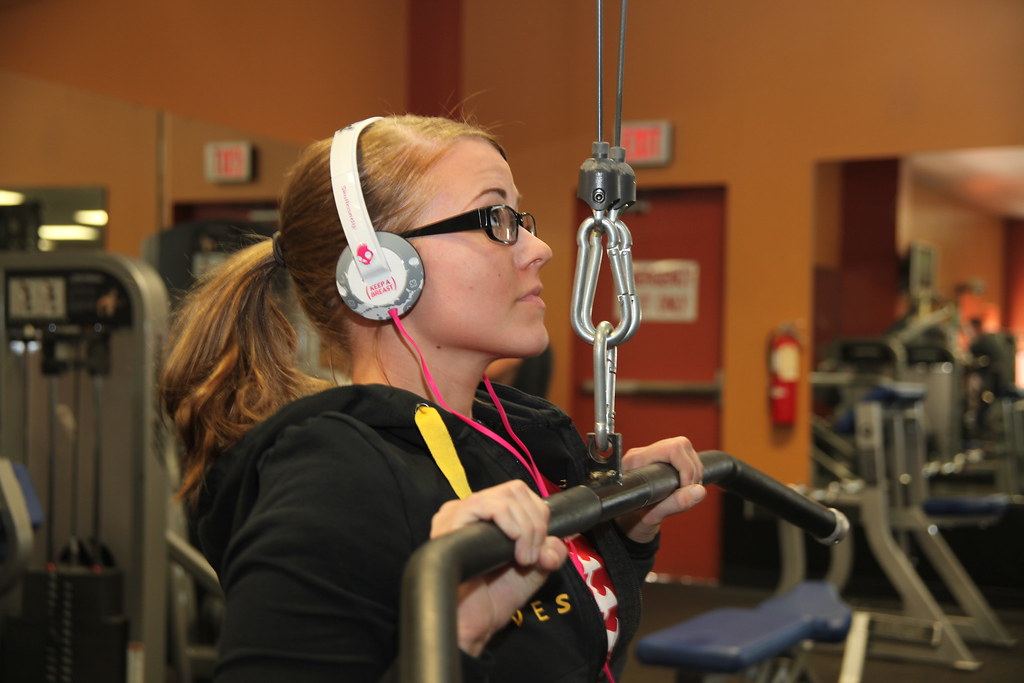
I'm talking of course about workout partners in the gym. Traditionally, I spent most of my years bodybuilding by myself with the occassional run of fantastic workout partners. But there were also times where inconsistency and a non-equal amount of passion for the lifestyle hindered my focus, intensity, and progress.
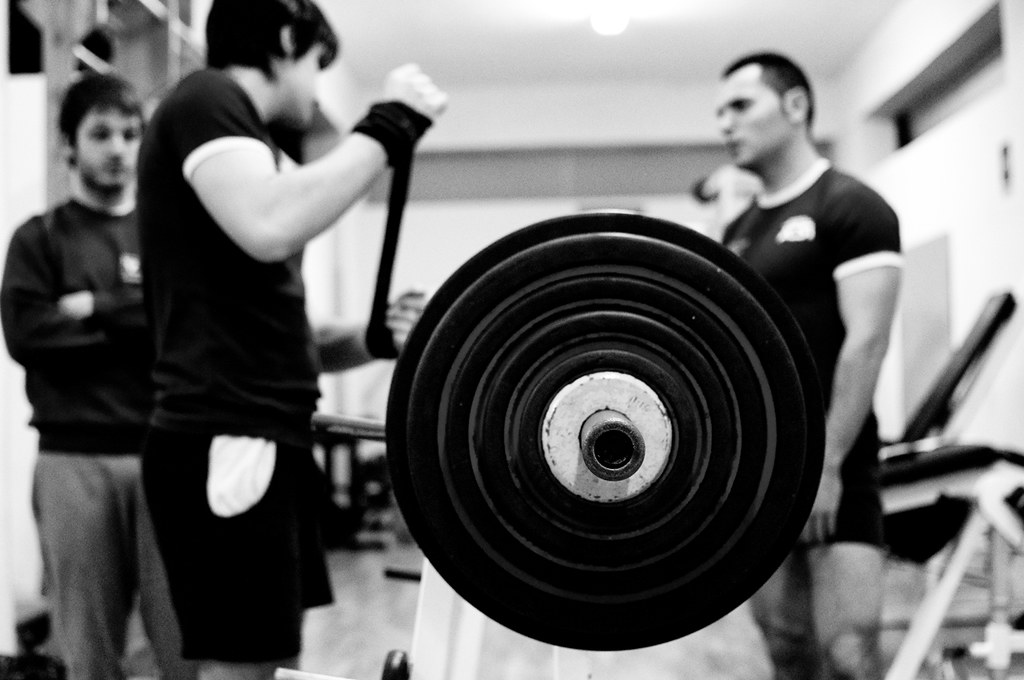

Source: Marco Crupi / Flickr.com / no changes


Personally, I have absolutely no issue working out alone. As stated before, I started out in the weightlifting game with no experience or any kind of friend who was well acquainted with the lifestyle. All I had was an extreme amount of focus that was fueled by a deep well of being pissed off at a lot of things. So I grew used to the lone-wolf mentality.

But a lot of people with different backgrounds, non-reflective of mine, also enjoy being alone while they lift for reasons such as time efficiency and not being distracted. Indeed, workouts can go by a lot quicker and be a lot more worthwhile if you're focused, determined, and knowledgeable enough to go it alone. It is the preferred method of a lot of gym-goers.

HOWEVER, if you can find a great workout partner, you can definitely advance and enhance your weightlifting / bodybuilding workouts in a very positive way. Great workout partners can keep you focused and on task, while also helping you bust through plateaus and make gains in the gym.

So for this post I'd like to go over some characteristics of a good workout partner. Things to look for when deciding if you want to see this person on a regular basis and team up with them during your workouts.

Here are some things to look for:

Good workout partners are dedicated

Pretty self-explanatory but still important. I can't tell you how aggravating it is when your passion and willpower suddenly gets buffered by someone who really is only there because they feel like they needed to be due to a Bowflex commercial they saw five minutes ago or, after doing one set of an exercise, all of a sudden want to run over and do another exercise because the one you just started isn't fun enough or is too difficult.

Good workout partners are dedicated to dealing with what they signed up for. They don't ask why they have to do exercises when they don't want to and / or act like a 5 year old who doesn't want to go to bed when you tell them what the next exercises are. They accept the pain, and they accept that to get to the top of the mountain, you have to deal with the climb. They ask the right kinds of questions if unexperienced, and they constantly want to work towards achieving their fitness goals.

Good workout partners put a lot of effort into their exercises

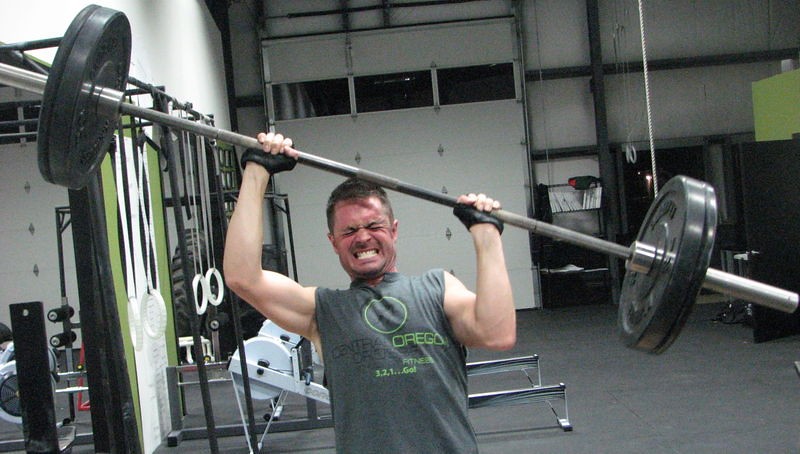
You can tell how much a workout partner cares about achieving their fitness goals by how hard they lift. A good workout partner lifts and / or works out so hard that it makes you want to lift harder on every set or perform any fitness action you are doing that much better.

And if you tell them to keep pushing it they don't stop. They'll go until literally their body involuntarily takes over and shuts them down.....true muscle failure.

One time I told a workout partner to keep lifting until his body had nothing left to give. What ended up happening after his set was done was that his arms weren't even capable of stabilizing the weight to be thrown down to his sides in a controlled manner. His arms collapsed as the weights flew across the floor. It was magical. THAT'S the kind of intensity you want your workout partners to be capable of.

Good workout partners are motivated

Similar to the "dedicated" aspect I talked about above.

A good workout partner is motivated. They don't need to be hyped up to want to go workout. They contact you before a workout telling you how hyped they are to workout that day. Often times they show up to the gym before you do ready to kill it. They have a fire in their eyes as they lift and ask questions about the next workout and if their current workout plan is good enough and complete. And if it isn't, they go in extra days and ask if you want to workout with them on those days.


Good workout partners push you

Good workout partners are constantly pushing you. Sometimes they might even compete against you. Both are good things in my opinion.


Source: http://upload.wikimedia.org/wikipedia/commons/thumb/8/8c/Bench_press.gif/800px-Bench_press.gif


When you grab a certain amount of weight, a good workout partner will suggest you lift even more weight than the one you're currently holding that you've been lifting with for the past 3 months. During sets, a good workout partner will spot you until failure, and command you to go past that failure.

You want your workout partner to force the best out of you, and ask for more.

Good workout partners don't make excuses

Honestly, this should be number 1. I can't stand excuses. And by this point I've heard every single one in the book as it relates to working out and having gym partners flake out on you.

Look, I know you go to school. I know there are exams and homework. I know people have jobs, and I know that people join sports teams. I know that people have friends, and that not all of those friends are into the gym.

A lot of these things are unavoidable. But a lot of them are also known about way ahead in advance. And everyone has spare time on their hands. If your gym partner doesn't workout with you 100% of the time, it's good to know if they still completed their workout requirements when you weren't there.

If they consistently say how much homework, tests, friends, extracurricular activities, etc. are getting in the way, then maybe they don't have the level of dedication needed from a good workout partner.

Use this simple test the next time you ponder whether or not a person's excuse is valid:

If you replaced the gym with someone that your potential workout partner is heavily attracted to, would they still be able to find the time to go on a date with that person? Would they still use their excuse and tell that person they couldn't go on a date with them? If they would still find the time for said attractive person, then their excuses are not valid and it's time to move on to another potential workout partner who will not try to find ways to get out of something they don't want to do.

Good workout partners aren't easily distracted

If you're working out with your workout partner, will they start chit-chatting for the next 20 minutes straight if a good friend walks up to them and says hi? Will they continue to talk as they start their next set and give minimal effort during said set due to this distraction? Will your workout partner respond to every single text they get during your workout, increasing the wait time between sets?

If the answer to any of these questions is yes, you may want to consider a new workout partner or working out alone for more time-efficient workouts.

Good workout partners are consistent

One week you're working out with your workout partner every day, and the next couple of weeks they are sporadic with the days they workout with you for whatever reason.

A good workout partner is almost automatic and predicitble week to week. They are reliable, and you can count that they'll be a part of your workouts consistently.

Good workout partners make working out a top task
A good workout partner will show you that achieving their fitness goals is a top task in their life. They may have other things in their life that also deserve attention, but you will never be able to mistake the passion and commitment they exude when they place high importance on working out.
If working out doesn't seem like it's of extreme importance to your workout partner, it's time to let them go. You don't want to be around someone who places less importance on something you are passionate about.


Source: Jinny/flickr.com/no changes


And those are some things to look for when selecting a workout partner. You might be the kind of person who likes to workout alone, but working out with someone can be fun and beneficial too. Look for some of these traits the next time someone wants to workout with you, or you want to work out with them, and see if you can make even more progress towards achieving your fitness goals!
-Jtrain

------------------------------------------------------------------------------------------------------------------------------------------*Have a question about natural bodybuilding / fitness / nutrition / stress? Need some advice? Email me at jtrainfitness@gmail.com and I will answer it on this blog! Be sure to enter your email to receive alerts for when the next blog post has come out, and be sure to tell your friends about this blog! Follow me on twitter @jtrainfitness and tell your friends to do the same!*
------------------------------------------------------------------------------------------------------------------------------------------

Wednesday, March 12, 2014

Video Blog: Chest Training Tips!

Hey guys! So I have something very special for today's Jtrain Fitness post!

Recently I've discovered some awesome new techniques you can use when training your chest. Said techniques that I wanted to demonstrate are not really that easy to convey through text and pictures, so I decided to discuss them in a video!

I'm also going to summarize what I say in the text below if you're not really a video person, or if you want to read AND listen to me explain it. 


When you train chest, your main goal is to try and get the humerus to cross over your pec to get the best squeeze and an optimal pump. Doing this motion takes advantage of the mechanics and responsibilities of the muscles in the chest. So incorporating a fly motion into a lot of your chest exercises could really be beneficial.

I've never been a fan of the barbell bench press because it restricts your ability to get a full stretch in your chest on the negative end range of motion, and doesn't allow you to fully squeeze your chest at the end flex range of motion. I know it's a gym favorite, but it has never really been an exercise I felt was efficient and effective enough to justify incorporating into my chest workouts.

So if you feel like your chest workouts aren't giving you the pump your looking for, try doing a dumbbell bench press with a traditional motion, but as you get towards the top, turn your wrists in and turn the motion into a fly motion as if you're trying to touch your wrists. You can even continue to push upward once the weights touch for an even greater squeeze.

Another chest training tip I'd suggest comes into play when you're trying to do overhead cable flys. Do the motion as you normally would, keeping your arms straight, elbows locked, and attempting to touch / cross your wrists. However, once you've touched / crossed your wrists, push your fists down towards the ground, as if aiming for your knees. You should feel an even greater pump go throughout your chest.

And those are some quick tips I've recently been using in my chest workouts. I really think they've helped improve my workouts. Try using them on your next chest day and tell me what you think!

Hope you enjoyed my first video blog!

-Jtrain

------------------------------------------------------------------------------------------------------------------------------------------*Have a question about natural bodybuilding / fitness / nutrition / stress? Need some advice? Email me at jtrainfitness@gmail.com and I will answer it on this blog! Be sure to enter your email to receive alerts for when the next blog post has come out, and be sure to tell your friends about this blog! Follow me on twitter @jtrainfitness and tell your friends to do the same!*
------------------------------------------------------------------------------------------------------------------------------------------

Thursday, March 6, 2014

Bodybuilding Recipe: Strawberry / Blueberry Protein Shake

You know, I've written a lot of posts on this blog. But I just now realized that I've never written a single post about one of the more entertaining and fun aspects of bodybuilding: bodybuilding meal recipes.

I think a lot of that is due to the fact that.....well.....most of the meals that someone super dedicated to bodybuilding would prepare are not as heavily glorified and are anything but aesthetic and/or focused on flavor. I'm not sure how enticing I can make a meal of two-day old chicken breast with plain microwavable broccoli cuts and maybe a slice of cheese (if I'm REALLY feeling adventurous) in a Tupperware container look to someone who isn't used to that lifestyle. When you can eat cold chicken breast right out of the pan you cooked it in two days ago because you think warming it up would take too much time or is inefficient, only concerning yourself with consuming the macronutrients it contains, you know you've gotten to a point where you think of food differently than everyone you know.

But bodybuilding nutrition can actually be a lot of "fun". And by fun I mean interesting in the ways that those who live the lifestyle find creative ways to play to their primitive instincts while still staying true to their meal planning and goals. I've seen a lot of very creative and innovative recipes.

So today I'd like to share my recipe for what I think is a delicious strawberry / blueberry shake. The way that this shake is crafted puts an emphasis on getting in large amounts of protein in a quick refreshing shake while achieving and not doing too much harm to your macro goals. .

What you'll need:

*Blender

* 2 scoops of whey protein powder (Non-specific flavor. Use your favorite. Make sure it's isolate).

* 1/2 cup of frozen sliced strawberries - The only ingredient on the bag should be.....strawberries

* 1/2 cup of frozen blueberries - The only ingredient on the bag should be.....blueberries

* 1 cup of skim milk

* Cinnamon

* Nutmeg

* Ice

* OPTIONAL: Truvia sweetener

Recipe:

Step 1:
  • Using whichever container you will be blending in, add about half a cup to a cup of ice. The amount of ice you use is pretty arbitrary, and should be added to suit your preference. If you like thick shakes, add more ice, if you like smoother shakes, add less ice. Keep in mind that the frozen strawberries and blueberries will also cause the shake to thicken up.


Step 2:
  • Add in two scoops of your choice of whey protein isolate. If you're eating a massive amount of protein across allof your meals already, consider maybe only using one scoop of whey protein.


Step 3:
  • Add in your half a cup each of strawberries and blueberries. To be real with you, I'm guestimating the amount I put in. It might be a little more or a little less for you depending on how much shake you want and/or how much your blender container can hold. 


Step 4:
  • Sprinkle in some cinnamon and nutmeg. At this point, there's already going to be enough flavor once I add in the milk for me to enjoy drinking this shake. The natural sweetness from the strawberries and blueberries will also add to the flavor. BUT, for those of you who need more sweetness, consider adding in some truvia or other sweetener of your choice.

Step 5:
  • Add in about a cup of skim milk, or enough to where you'll be able to blend in and mix all of the dry ingredients. If you don't want to add any excess milk, consider adding in a little bit of water.


Step 6:
  • Start blending. Keep blending until all the ingredients are mixed. The whey might get stuck to the sides, so you might need to stick in a knife or something to scrape it off and re-blend. You don't want protein chunks when you're drinking this!


Macros:

Here are the macros for a single serving of this shake (results will vary depending on how much you make or what you add and/or subtract. This is based off of the quantities at the top).


Calories: 402.5

Fat: 3 grams

Carbs: 36.5 grams

Protein: 63 grams


*If you use one scoop of whey, this should bring it down to 282.5 calories and 39 grams of protein*


And there you have it. This is one of my favorite protein shakes to make and serves as a delicious way to get in your protein, as well as other beneficial nutrients from the ingredients used. Try making one today, and tell me what you think!

-Jtrain

------------------------------------------------------------------------------------------------------------------------------------------*Have a question about natural bodybuilding / fitness / nutrition / stress? Need some advice? Email me at jtrainfitness@gmail.com and I will answer it on this blog! Be sure to enter your email to receive alerts for when the next blog post has come out, and be sure to tell your friends about this blog! Follow me on twitter @jtrainfitness and tell your friends to do the same!*
------------------------------------------------------------------------------------------------------------------------------------------

Friday, February 28, 2014

What to Buy at the Supermarket

Many people know that nutrition is very important when bodybuilding and transforming your body. Many people know that there are macronutrients that need to be met on a daily basis to help achieve those goals. But some people starting out in the bodybuilding / body transformation game may not know what kinds of foods are important to always have in stock. So for today's blog post, I'll discuss some of the foods that I'm always looking for in the grocery store, and make sure that I have a constant supply of to meet my daily macros and achieve my nutritional goals.

The foods I'm including here are foods that have always been a core facet in my meal plans or consistently find themselves being part of my meal plan. These are foods that you should heavily consider making consistent players on your meal plan team when shopping at the supermarket.

Foods to look for

Protein

Chicken Breast / Meat Source
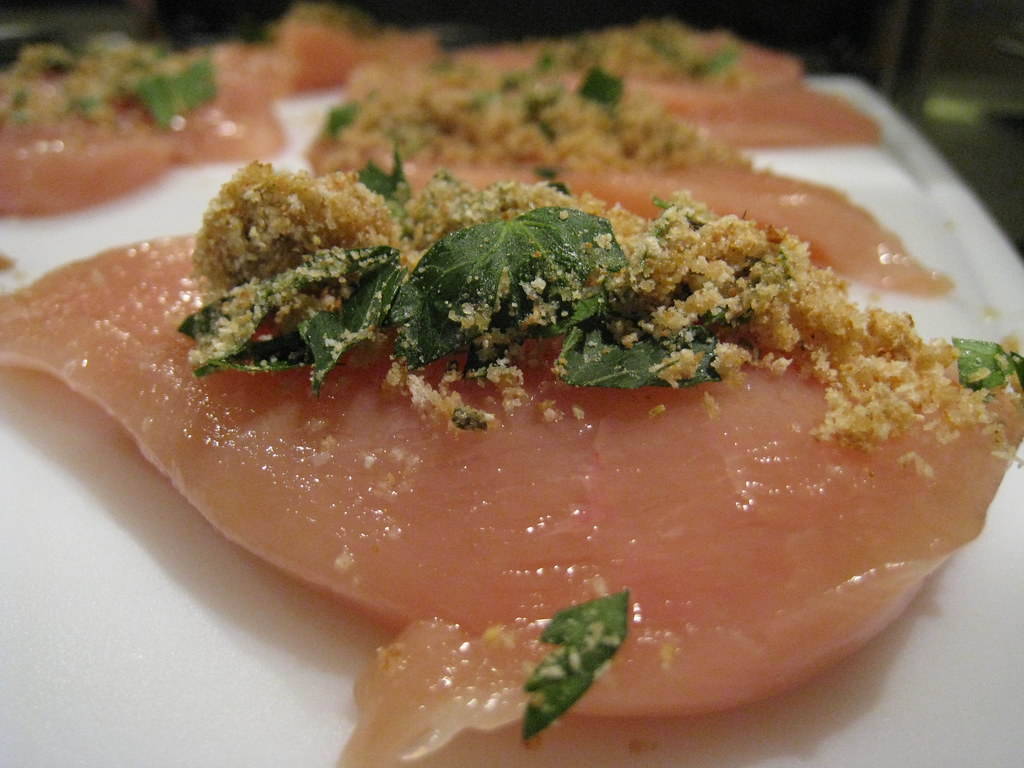
  • I group chicken breast different from "other meat sources" like beef, turkey, fish, etc because it's usually THE meat source when talking about bodybuilding. It's not specifically eaten during a bulk or specifically eaten during a cut. It's your standard protein meat source. But other sources like turkey, beef, fish, etc, are also good to have. I understand that things might be different if you're a vegeatarian (and other sources like bens and / or tofu should be considered), but it's always good to constantly have your fridge stocked with your main whole food meat source of protein. Buy it in bulk, and cook it in bulk so that you don't have to cook every single day.


Source: Flickr.com. User: megan.chromik. No changes made.


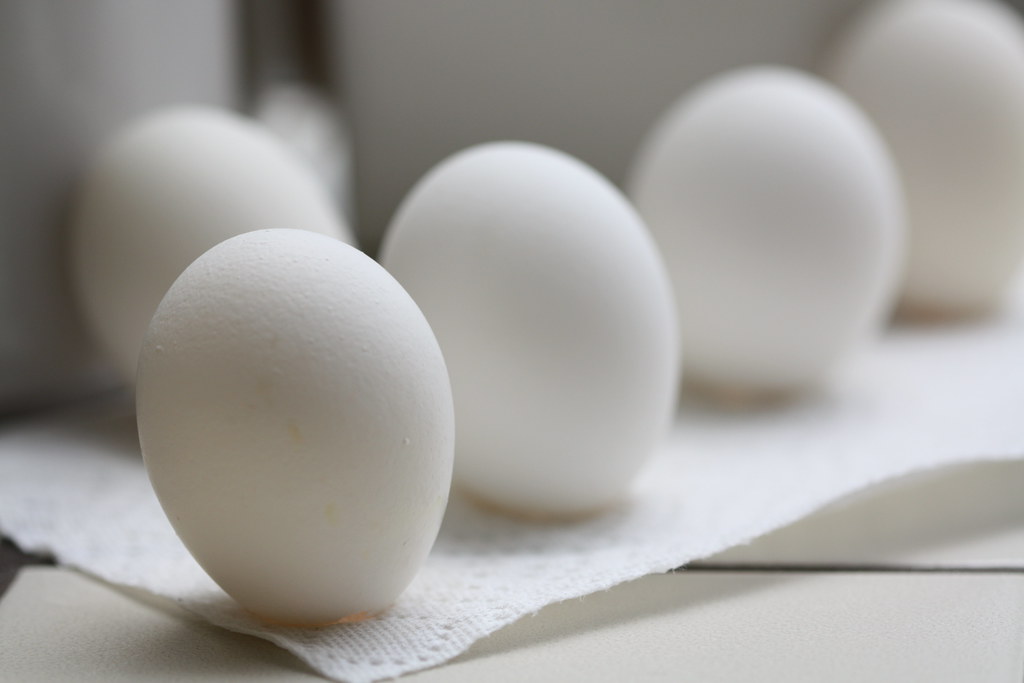
Egg Whites
  • I eat a lot of egg whites every day. Buy the cartons. If you want to crack and separate the amount of eggs you'll need to adequately meet your protein needs, then go nuts. Personally though, I like having a fridge stocked with a bunch of egg white cartons I can just open up, pour into a container, and microwave. In my opinion, any aspiring bodybuilder should not have a fridge without these in them. They're cheap, efficient, and macro / calorie friendly.

Source: Flickr.com. User: John Morgan. No changes made.

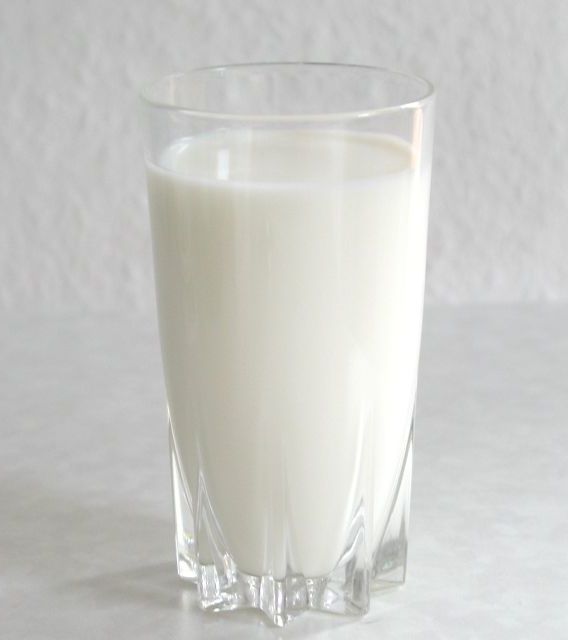
Milk
  • I understand that there are differing opinions on milk in a bodybuilder's diet. Personally, I always keep a gallon of skim milk stocked in my fridge because I enjoy drinking it in my smoothies and before I go to bed. It's liquid protein with some carbs added on the side if you're having trouble hitting that macronutrient. It's fairly inexpensive for the amount of you get, and it's loaded with beneficial nutrients for someone looking to bodybuild. Keep that moo-juice on tap!

Source: http://upload.wikimedia.org/wikipedia/commons/0/0e/Milk_glass.jpg

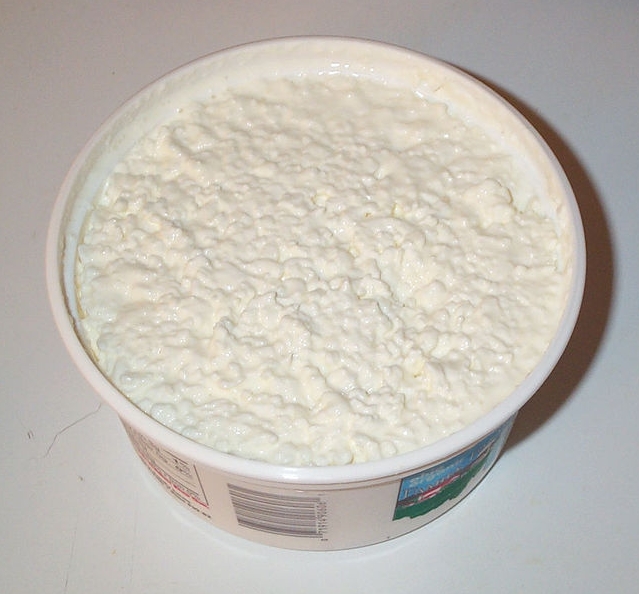
Cottage Cheese
  • Many of you just went "ewww!" when you saw this. And honestly, the first day I ate cottage cheese my mind did a nice big "NOPE" and I questioned if this stuff was even edible. But then I looked at the nutrition facts and found out there was like 20 grams of protein in half a cup in only 80 calories (fat free cottage cheese. Nutrition facts based on memory...so I could be wrong or off by a little), and realized that this was just going to be a fact of life for me. I add peanut butter to mine, but honestly after eating it for so long I've developed a taste for it and could eat it raw. I think you should always have a tub of this stuff on hand, but a lot of people can't stomach it. If that's the case, you have to ask yourself if taste or your body aesthetic is more important to you. Cottage cheese can also help you meet your carbohydrate needs.

Source: http://upload.wikimedia.org/wikipedia/commons/a/a1/Cottage_Cheese.jpg


Whey Protein
  • You probably can't find this in your supermarket, but it's still important to note it here. The fitness industry does a great job making you think you need whey protein. But you don't. However, I always make sure I have it stocked in my apartment. It's super efficient, it has an amino acid profile that's near impossible to beat, and actually is one of the most inexpensive forms of protein per serving. Some supermarkets DO sell it, but maybe not in the same quality as in say a specialty store. Just make sure you're getting pure whey protein isolate.


Source: http://farm6.staticflickr.com/5164/5373438313_8edbe88110_z.jpg


Carbs

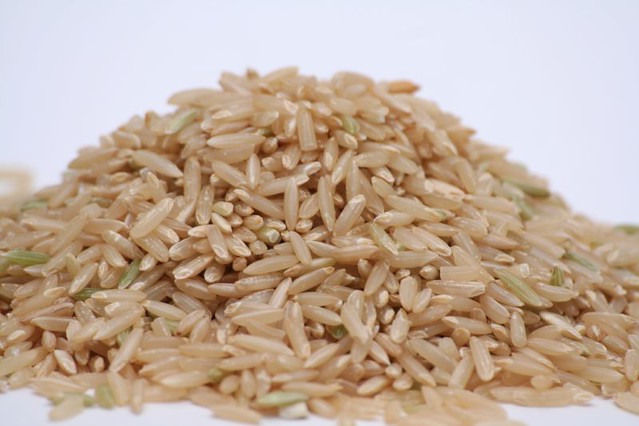
Brown Rice
  • I think this is the only carb source that I'm going to put down. But only because I'm talking about foods that you NEED to have stocked. There are certainly other carb sources you can consider like pastas, potatoes, breads, and rice cakes for example.

Source: Flickr.com. User: Rob and Dani. No modifications made.

  • I always have a pack of microwavable whole brown rice in my freezer for when I'm carbing up. Each bag contains about two cups of brown rice and is a very VERY helpful tool in helping you on your bodybuilding / fitness journey. It's a staple food in many bodybuilders' diets and something you should always stock up on when you visit your local grocery store.


Fats

Olive Oil
  • Every time I'm cooking a protein source, I'm using olive oil. It's a very important fat source to have on deck and is very helpful in hitting your macro goals for fats. Remember that with this and ALL fat sources, a little goes a long way calorically.


Source: Flickr.com. User: Maya83. No changes made.


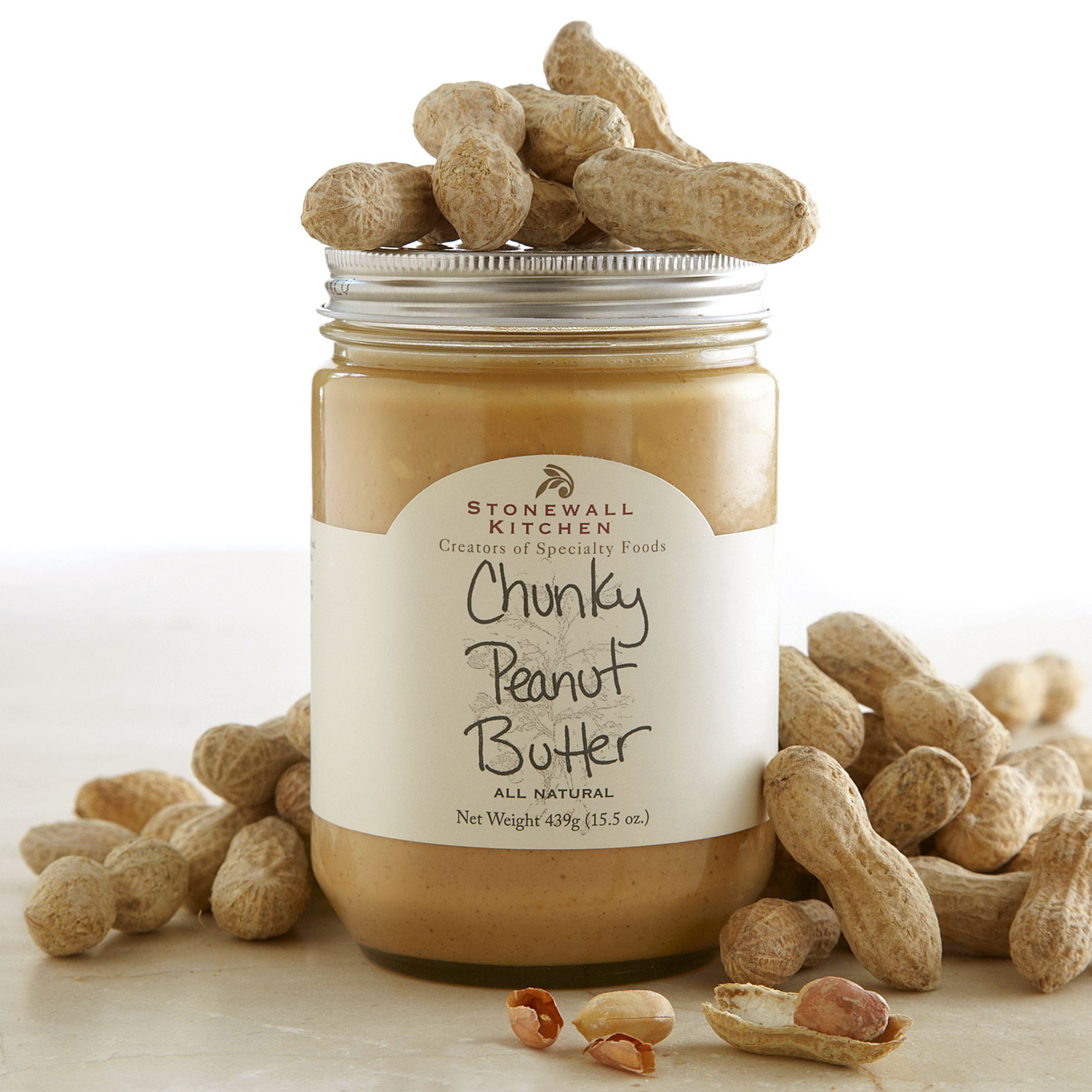
Peanut Butter
  • Much like milk, peanut butter and other nut butters are very controversial when it comes to the opinions of bodybuilders and whether or not to incorporate them into your diet. A serving the size of your thumbnail can literally start skyrocketing your calories and wreak havoc on your macros. Use sparingly, and be smart with your serving sizes. I keep a jar on handy but don't always eat peanut butter. If you get yourself some, make sure you get the all natural kind where the ingredients are practically just peanuts + very few other ingredients.


Source: http://farm6.staticflickr.com/5345/7091536099_2f84345247_o.jpg


And those are some essential food items you'll want to always be searching for at your local supermarket. Of course there are other food items you might want to buy and incorporate into your diet (like vegetables), but those are some of the staple foods that I personally always have on hand. Never have your kitchen absent of most of these items. You don't want to want to miss your macronutrient targets or, even worse, start winging your diet day to day and potentially destroying all of your hard work and discipline.


-Jtrain

------------------------------------------------------------------------------------------------------------------------------------------*Have a question about natural bodybuilding / fitness / nutrition / stress? Need some advice? Email me at jtrainfitness@gmail.com and I will answer it on this blog! Be sure to enter your email to receive alerts for when the next blog post has come out, and be sure to tell your friends about this blog! Follow me on twitter @jtrainfitness and tell your friends to do the same!*
------------------------------------------------------------------------------------------------------------------------------------------

Thursday, February 20, 2014

Should You Use Machines?


As I may have highlighted in earlier posts, the gym is a place where many different philosophies on bodybuilding, fitness, and nutrition (as well as ways to approach them) mix. One person may swear by some way of lifting / eating as the only means to get a certain body type, while someone else could say that doing the complete opposite is optimal. It truly is a melting pot of muscle-building and physique-sculpting theory.

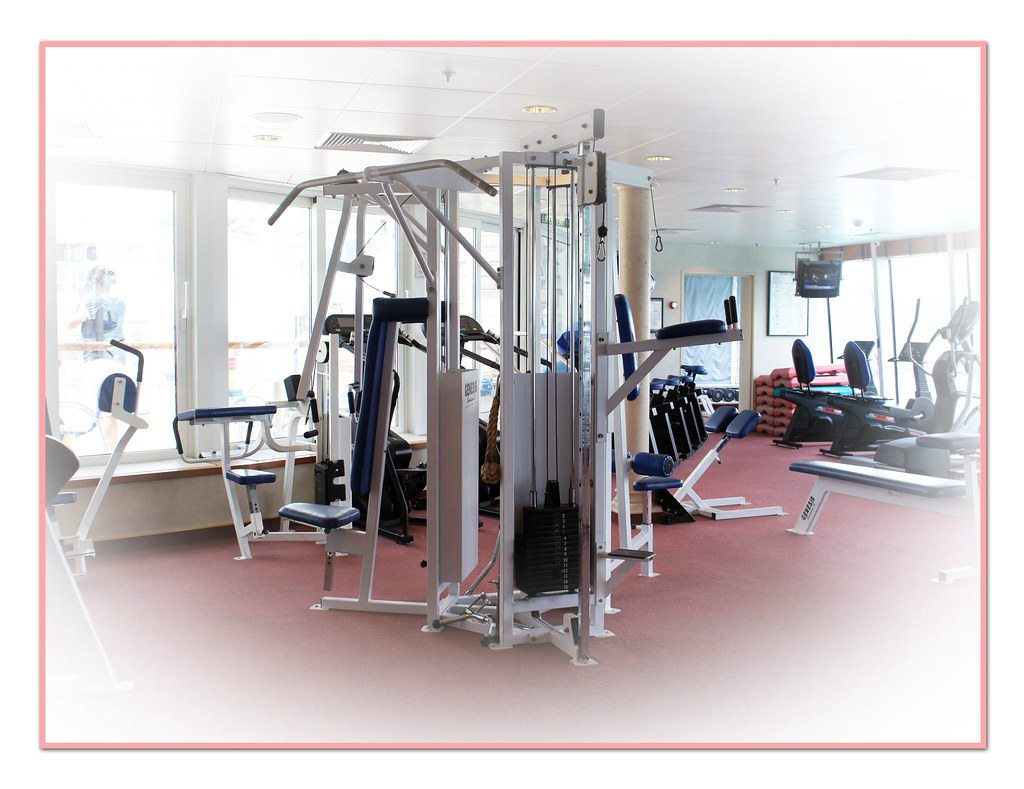
One such concept that appears to divide some gym-goers is whether or not to incorporate machines into a workout, and to what degree. Some people will forever swear by free-weights and raw lifting of weight, while others believe that using machines are necessary to hit different angles and stimulate optimal muscle growth.
 
 
Source: Flickr.com / Brisbane City Council. No Changes made.


Personally, I have absolutely no problem incorporating machines into my workout. While I'm a huge fan of using dumbbells and free weights when I can, I'm also a huge fan of many different machines in the gym.

For one thing, a lot of machines are highly specialized to target specific parts of your muscle and muscle groups. They accomplish this by making you position your body in a way that highly isolates different parts of your target muscle. This is a very important concept if you're bodybuilding, since isolating and stimulating very specific parts of your muscle groups is a key objective for optimal growth.

Machines can also offer a level of safety that using free-weights may not. For someone just starting out in the bodybuilding game, whose form and understanding of body movement, safety, and control is not yet fully developed, using machines that offer ways of adjustment and built-in safeguards may be a better option. Certain exercises may also have a greater odds of facilitating injury when done with free-weights as opposed to the same exercise and range of motion being done on a machine. Furthermore, machines can serve as a means to lift heavier amounts of weight without having to worry about taking the necessary precautions to prevent injury that would have to be accounted for with free-weights.


Source: Flickr.com / CherryPoint / No Changes Made


 But there are also things you need to look for and keep in mind when using weightlifting machines. While some machines offer fantastic stimulation for muscle growth, others can, for lack of a better phrase, be a complete waste of time.

Here are some questions you need to ask yourself when trying to find out if the machine you're using is worth it:

"Will this machine give me an optimal line of drive during my exercise repetitions?"

"Will this machine offer me an optimal full range of motion during my exercise repetitions?"

"Does this machine fully stimulate and pump my target muscle(s) at the end range of motion?"

"Does this machine fully stretch my target musle(s) at the negative end range of motion?"

"Will there be minimal to no recruitment of my non-target muscles when using this machine?"


Source: Flickr.com / alantankenghoe / No Changes Made


If the answer to most or all of these questions is yes, you're probably using a pretty good machine. Some of my favorite machines include the fly machine (pec deck), cables, triceps pushdown apparatus, certain plate loaded chest exercise machines, and (recently) the dip machine. Said machines are very good for optimal stimulation of many different muscle groups with proper form.

If the machine you are using requires more effort than is needed, and subsequently results in poor range of motion and pump / stimulation of your target muscle, it's not worth it. If there is not enough stress or tension put on your target muscle it's also not worth it. Also, and perhaps most importantly, if the machine you are using causes you to feel unwanted pain or makes you feel like you could potentially injure yourself, do not use that machine.

During my workouts, I like to incoporate a lot of free-weight exercises when I can. But machines have always had a place in all of my workouts, on every day I choose to workout. Machines can be a fantastic ally for pushing maxes and growing bigger when done right, and offer a level of safety and understanding of movements for those just starting out in the bodybuilding game. See if incorporating machines into your workout works for you or brings you any success, and don't worry about those who swear by and try to get you to use free-weights exclusively.

-Jtrain

------------------------------------------------------------------------------------------------------------------------------------------*Have a question about natural bodybuilding / fitness / nutrition / stress? Need some advice? Email me at jtrainfitness@gmail.com and I will answer it on this blog! Be sure to enter your email to receive alerts for when the next blog post has come out, and be sure to tell your friends about this blog! Follow me on twitter @jtrainfitness and tell your friends to do the same!*
------------------------------------------------------------------------------------------------------------------------------------------

Thursday, February 13, 2014

How Many Reps?

Before I start off this new blog post, I'd like to thank everyone who has read this blog or continues to read this blog. Recently, I had a goal of hitting 5000 all-time views, and have recently surpassed that goal. So, to all of you from all around the world who read this blog for bodybuilding / fitness / nutrition advice, thank you so very much! Here's to 5000 more views!

So now for today's post.

When working out with people, I often get the question on how many repetitions you should be doing per set for any given exercise. And there are many philosophies on this. Some believe that lower rep ranges with heavy weight is ideal for packing on slabs of muscle, while higher rep ranges with lower weight is ideal for muscle definition and hypertrophy. There are those who also caution against "overtraining" and, of course, there are proponents for incorporating or cycling all of these various approaches into your workouts.

Source: flickr.com. User: Pascal


So what do I think? I actually DO have an opinion on this, and promise that my viewpoint on this topic won't be as non-conclusive as a bunch of my other blog posts.

I like to think of my muscle as a student in a classroom. If you, as a student, were able to get an A in a class without ever doing any of the homework or study.........would you ever do any of the homework or study? I feel the same thing applies to muscle growth.

In my opinion, if your muscle has absolutely no reason to grow, it won't. If there is no stimulus powerful enough for it to send whatever biological signals it sends throughout the body to indicate that there is a stress on them greater than they can handle, they will have no reason to want to grow / produce more muscle tissue. If you don't have your muscle tissue screaming at you and / or wondering WHAT the heck was just unleashed on them, they won't try to prepare for the next session of absolute chaos.


Source: farm9.staticflickr.com
 
Muscle takes a lot of effort and resources for your body to build and maintain. It doesn't just store muscle from the food you eat. It's a biological process of breakdown, repair, and strengthening. In other words, it's not really a process that your body wants to go through unless it really feels it needs to. In a lot of biological systems, the path of least resistance is almost always the chosen one, and thus your body doesn't just start magically producing muscle without enough stress and stimulus.

That's why I'm an advocate of not focusing on the repetitions at all. What I mean by that is, go until failure on ever single set you ever do in the gym. Some of you are HIGHLY against this, but from the very beginning until the very end I will be an advocate of training until failure. (To review, lifting until failure means you are trying as hard as you can to lift the weight during your repetitions, but your body is making you unable to continue lifting it).

Now, the weight you choose is the non-constant variable here. I do think that the weight you choose is important, and that there IS in fact a rep range you should shoot for. But don't take that as me saying you should stop once you hit that range.

When I started bodybuilding, I would make sure that I hit at least 8-12 repetitions on every single set I did. And if I couldn't hit that with the weight I was using, I'd immediately drop-set to a weight I could keep lifting with until I was in that range of repetitions and continue until failure. If I went over that rep range, perhaps I would increase the weight until I failed within that range. If I kept having trouble hitting that range, perhaps I'd consider lowering the weight on the next set.


Source: blog.csharplearners.com


And I do think that certain weights do offer different types of stimulus to your muscles. Heavier weights (relative to YOUR size and strength), where form is somewhat sacrificed (but should never be fully sacrificed) are good for overall increases in size, while semi-heavy (NOT LIGHT) weight with extreme focus on form helps with muscle separation and changes in definition (though, leanness and definition will always be more of a nutrition thing in my book).

There is also a time-under-tension and consistency of lifting discussion that could and probably should take place here, but that's for another blog post. But the next time you find yourself in the gym, wondering how many repetitions you should do in the gym, immediately yell at yourself for thinking that there's a set number for you to stop at. Aim for a rep range of 8-12 repetitions, and use a weight that makes you fail around that range. If you can keep lifting past that, keep going until failure and consider increasing your weight on the next set. If you fail before that range, consider lowering the weight a bit.

I hope that helps! Have fun using what was discussed here during your next gym session!

-Jtrain

------------------------------------------------------------------------------------------------------------------------------------------*Have a question about natural bodybuilding / fitness / nutrition / stress? Need some advice? Email me at jtrainfitness@gmail.com and I will answer it on this blog! Be sure to enter your email to receive alerts for when the next blog post has come out, and be sure to tell your friends about this blog! Follow me on twitter @jtrainfitness and tell your friends to do the same!*
------------------------------------------------------------------------------------------------------------------------------------------
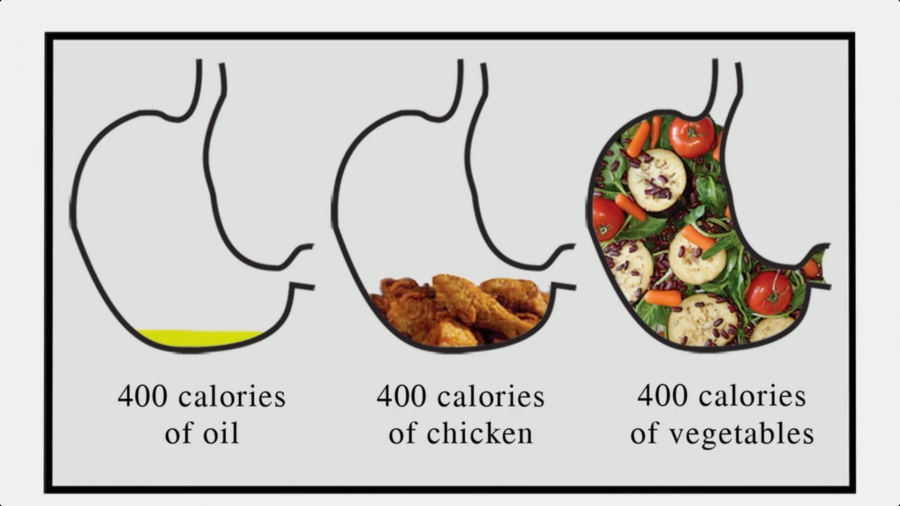
Tuesday, February 4, 2014

Nutrition Hacks - High Fiber and Water

Hello! And welcome to another edition of "Nutrition Hacks"!

I've gotten some good feedback from this ongoing "Nutrition Hacks" series, and thought I'd continue with another one in today's post. For this hack, I'd like to discuss ways in which you can manipulate your nutrition by ingesting foods that make you feel fulller quicker / longer and curb your appetite so that you do not feel the urge to overeat.

What you eat is important to your bodily aesthetic (surprise!), and most of us looking to alter our aesthetics are in tune with this. While bodybuilders and fitness enthusiasts alike are all still pretty much on the same page as to what kind of foods they need to eat to stimulate and / or alter their bodies, a lot of them fall short on figuring out ways to make the grind and mental struggle a little easier to deal with on a day to day basis.


Source: withamymac.com


This is why I suggest to those of you looking to alter your bodies, but find it hard to eat strictly and cleanly most of the time due to your love of food and propensity for snacking, to incoprorate more high fiber foods into your diet and to constantly drink water. 


Source: algaeindustrymagazine.com
 

The reason for this is that high fiber foods (beans, vegetables, nuts, etc) and water make you feel full very quickly, and suppress your appetite and increase satiety. Water and high fiber vegetables are also very low on calories and thus can be incorporated in every meal in very generous amounts without obliterating your dietary macros.

In searching for systematic reviews to back up the claim that fiber, water, and fats do in fact make you feel fuller, I was actually unable to find any significant studies that support this claim. However, it's always good to take nutritional research with a grain of salt, as monitoring peoples' diets and making all things equal in said diets is an extremely difficult undertaking. So if you're disappointed by my lack of scientific backing or evidence, and think I'm being way too anecdotal, please forgive me. There might be a lot of personal experience and bro-science involved with the claims and suggestions you are about to read.


FIBER

I think that many of us will agree that foods high in fiber make us feel really full. If you're not sure about this, try eating through a can of beans right now and tell me how successful you are without hitting a food wall at full speed.

Fiber can be broken up into soluble and insoluble fiber. Soluble fiber dissolves in water and can help lower blood cholesterol and regulate blood sugar. Insoluble fiber does not dissolve in water and promotes movement of food through the intestines and regularity.


Source: khoemoingay.edu

Fiber aids in early and prolonged signals of satiation (fullness) due to its unique physical and chemical structures, which can help those trying to lower body fat percentage through a decrease in food intake or those who find it difficult to stay full throughout the day.

Fiber has also been linked to the prevention of such diseases as heart disease, type II diabetes, and colon cancer. Fiber also helps with overall colon health.

I highly recommend adding vegetables to every meal. They are low in calories, and provide a massive amount of fiber. They also provide beneficial vitamins to your diet.


Source: sproutnewroots.files.wordpress.com

 
You can almost eat all of the vegetables you want in a day and feel nice and full afterwards. High fiber foods you could also use in your diet include nuts, oats, brown rice, and whole wheats. Fruits are also a nice source of fiber (when eaten whole) when eaten sparingly.


WATER

As I'm sure you are well aware, water is important to your body. It's really unbelievable how vital water is to producing the right type of environment inside your body, whilst also aiding in many important biological processes. I've briefly gone over water in one of my blog posts, which you can find here.


Source: 4.bp.blogspot.com


If you're bodybuilding, or doing anything fitness oriented, you should always be drinking lots of water and staying hydrated. But water can also be a useful tool in making yourself feel full. I believe that this is simply because of the space that the water fills up within your stomach, and if you're drinking lots of water throughout the day, you can constantly be filling up your stomach and stay fuller longer. Water also has no calories, so you can fill yourself up without harming your diet!


OTHER CONSIDERATIONS

Other considerations you can take to make yourself feel fuller include incorporating more whole-foods into your diet. Eating more whole-food protein and getting the majority of your calories from solid food will fill up more space in your stomach and take longer to digest than say liquid forms of calories (I believe). It has been argued back and forth that incorporating more fats into your diet also slows down the digestion process of foods and in turn keeps you feeling more satisfied longer (allegedly). Furthermore, consider lowering your carb intake to regulate insulin and blood sugar so that you do not become accustomed to sugar cravings.


Food hacks like this can really help aid in making the experience of dieting and meal planning easier to deal with during the times of the day where you crave foods or are tempted to eat things that will throw you off of your dietary plans. Try using this food hack and see if it helps keep your mind off of food cravings and achieve dietary success!

-Jtrain

------------------------------------------------------------------------------------------------------------------------------------------*Have a question about natural bodybuilding / fitness / nutrition / stress? Need some advice? Email me at jtrainfitness@gmail.com and I will answer it on this blog! Be sure to enter your email to receive alerts for when the next blog post has come out, and be sure to tell your friends about this blog! Follow me on twitter @jtrainfitness and tell your friends to do the same!*
------------------------------------------------------------------------------------------------------------------------------------------